+38 (098) 127 45 85
 +38 (050) 673 51 21
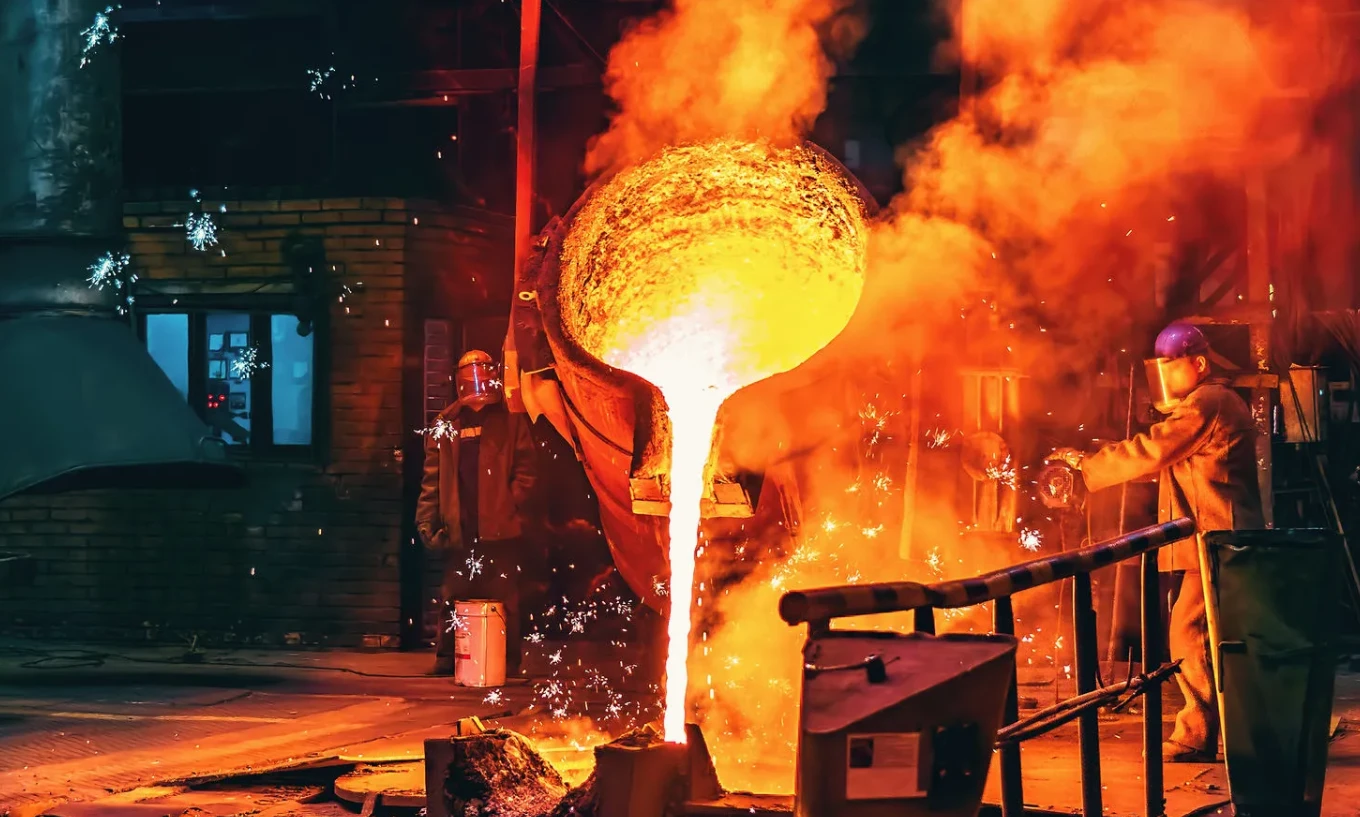
The steel industry is one of the most energy-intensive and high-carbon industries in the world. Steel production accounts for a significant portion of global greenhouse gas emissions — about 8% of the world's annual CO₂ emissions, mainly due to the use of coal and coke in blast furnaces. This feature puts the industry in the focus of global decarbonization strategies, but at the same time creates a set of challenges for metal producers and markets.
Global commitments and technological paths
The International Energy Agency (IEA) and the World Economic Forum note in their latest research that the steel sector should significantly reduce the intensity of emissions: it is aimed at minus 45% for primary steel and 65% for secondary steel by 2030 compared to the base level of production. The long — term goal is zero or near-zero emissions by 2050.
By 2050, the share of traditional high-carbon production through blast furnaces with a basic oxygen converter (BF-BOF) is expected to decrease, while the share of steelmaking electric furnaces (EAF) and direct iron reduction technologies (DRI) with low-carbon energy sources will increase.
Basic decarbonization technologies
One of the key areas is the introduction of H₂-DRI + EAF technology — direct reduction of iron using "pure" hydrogen, and then electric smelting furnaces running on renewable electricity. This approach can reduce emissions by a significant amount compared to traditional methods. However, the industry will not be able to completely abandon blast furnaces by 2050: they will continue to play a role in overall production due to their scale and infrastructure features, which increases the complexity of transformation.
Carbon capture and storage systems (CCUS) are also being actively developed, which can reduce process emissions by up to 90 %, but their commercial implementation is not expected until the end of the 2020s.
Impact on pricing and "green premium"
The transition to low-carbon technologies is accompanied by significant costs. Recent research estimates that steel production using pure hydrogen can be 40-70% more expensive than traditional methods. This creates the so — called" green premium " - additional costs that must be taken into account when pricing metal on the market.
High energy costs and the production of "green" steel can affect final prices for consumers and reduce the availability of the metal on competitive terms, especially if there are no government incentives, subsidies or mechanisms to compensate for these costs.
Policy and regulatory mechanisms: CBAM
One of the most important policy initiatives is the European Union's Carbon Border Adjustment Mechanism (CBAM), which comes into force in 2026. This is a tariff on carbon-intensive imported goods, including steel. Therefore, steel producers outside the EU will have to pay additional emissions fees, which will make importing traditional steel more expensive compared to low-carbon steel.
CBAM is designed to encourage the transition to cleaner technologies and displace high-emission steel products on the market. At the same time, this creates new challenges for steel exporting countries, which must modernize production or look for new markets with less stringent requirements.
Potential market features by 2030
According to forecasts, by 2030, the share of secondary (scrap-based) steel produced in electric furnaces should increase, while the share of primary production remains significant, but gradually decreases. This can lead to changes in the balance of demand for raw materials: less coke and more scrap steel.
The main factors that will affect steel prices will be the cost of "green" electricity, the availability of pure hydrogen and the cost of adapting production to new standards. Manufacturers who do not adapt their processes run the risk of losing their competitive advantage due to high trading costs and tariff mechanisms such as CBAM.
The transition to low — carbon technologies in the steel industry is not only an environmental necessity, but also a big economic challenge. Investments in hydrogen processes, electric furnaces and CCUS are the way to reduce emissions, but so far they are accompanied by high costs. Manufacturers who can adapt and take advantage of new policy mechanisms will benefit from markets with strict standards.
This creates a potentially new market for" green metal " with special requirements and terms of trade, which already affects strategic decisions in the industry and changes global competitive dynamics.
- Share
-

-

-

-

-

-