+38 (098) 127 45 85
 +38 (050) 673 51 21
We have been working in the Ukrainian industrial market for more than 10 years. But what we are witnessing today is unprecedented in the country’s modern history.
In February 2026, the World Bank estimated Ukraine’s direct material losses at more than $195 billion. The total cost of reconstruction is projected at $588 billion over the next decade. The industrial and trade sectors alone require more than $63 billion in investment. The European Union launched the €50 billion Ukraine Facility programme, within which the investment component — the Ukraine Investment Framework — aims to mobilize up to €40 billion in public and private investments. This is one of the largest investment programmes in modern European history, and Ukrainian industry is ready to become an active participant — not merely a beneficiary.
The reconstruction of transport, energy, construction and critical infrastructure is creating enormous demand for industrial manufacturing. Metal, structures, components and systems — all of this must be produced. And it must be produced quickly, at scale, and with consistent quality. This is where every Ukrainian manufacturing company faces the same question — consciously or not: is my production line ready for what is coming? A company still relying on manual welding processes today will soon face contracts it simply cannot fulfill — due to limitations in capacity, repeatability and workforce availability.
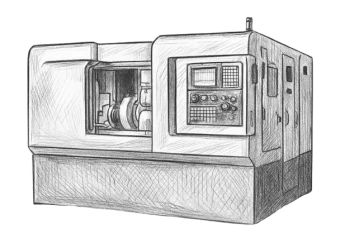
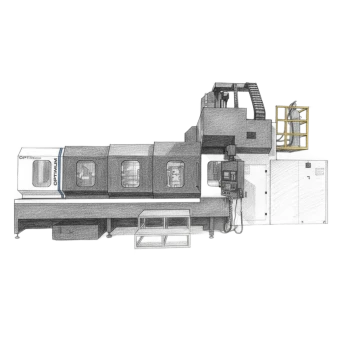
For years, automation was viewed as a luxury for large enterprises or as an investment that could be postponed until better times. The Ukrainian industrial market approached this transition cautiously — and we understand why. But something has fundamentally changed. Today, welding automation, robotic production lines and CNC machinery are not expenses. They are manufacturing capability. They define the difference between a company that will execute reconstruction contracts and one that will only watch others do it.
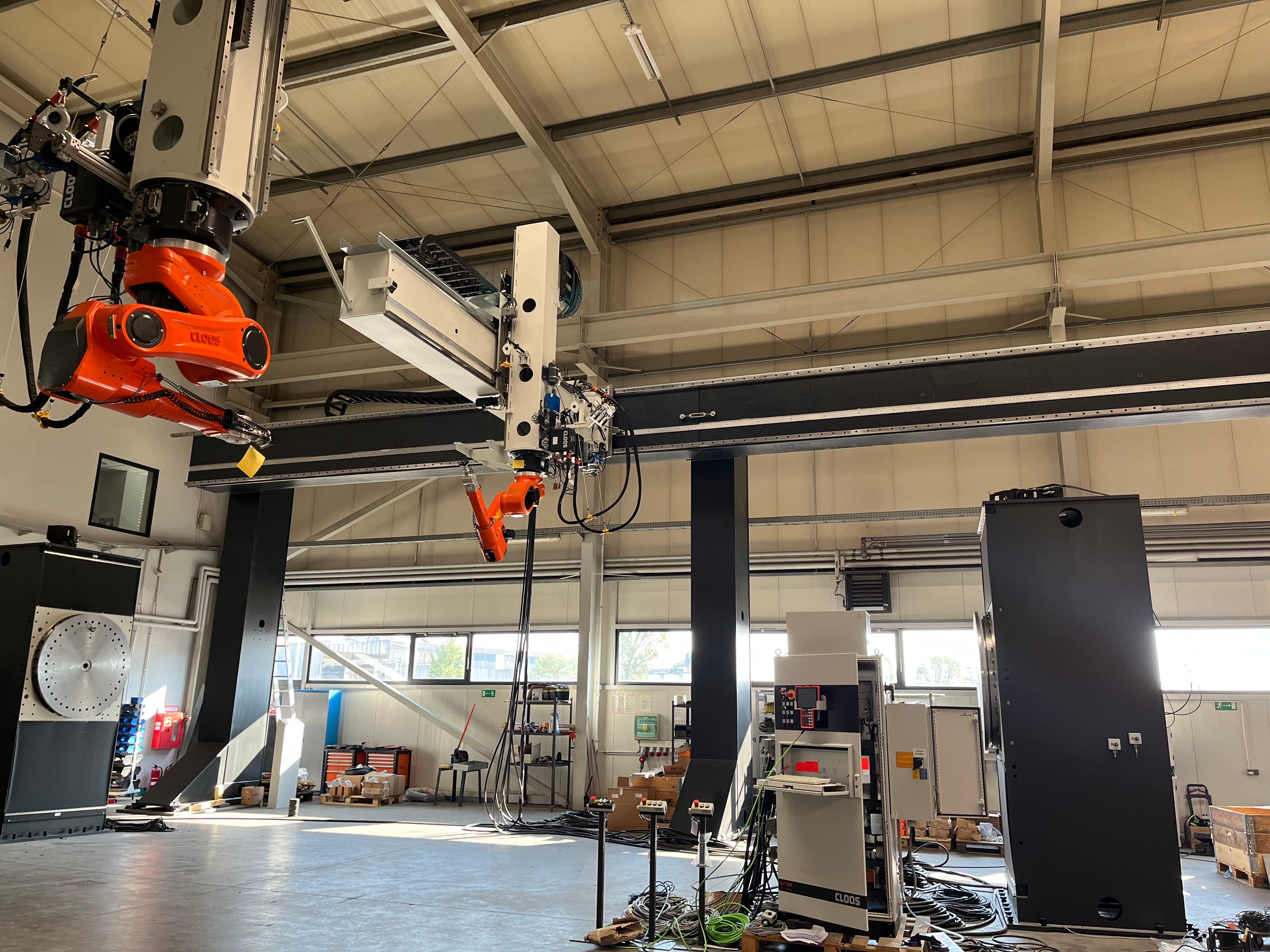
Companies that are already modernizing their production lines are building an advantage that cannot be recovered within a few months. Technology requires time — for implementation, training and optimization. The window to do this without deadline pressure and without the risk of losing contracts is now.
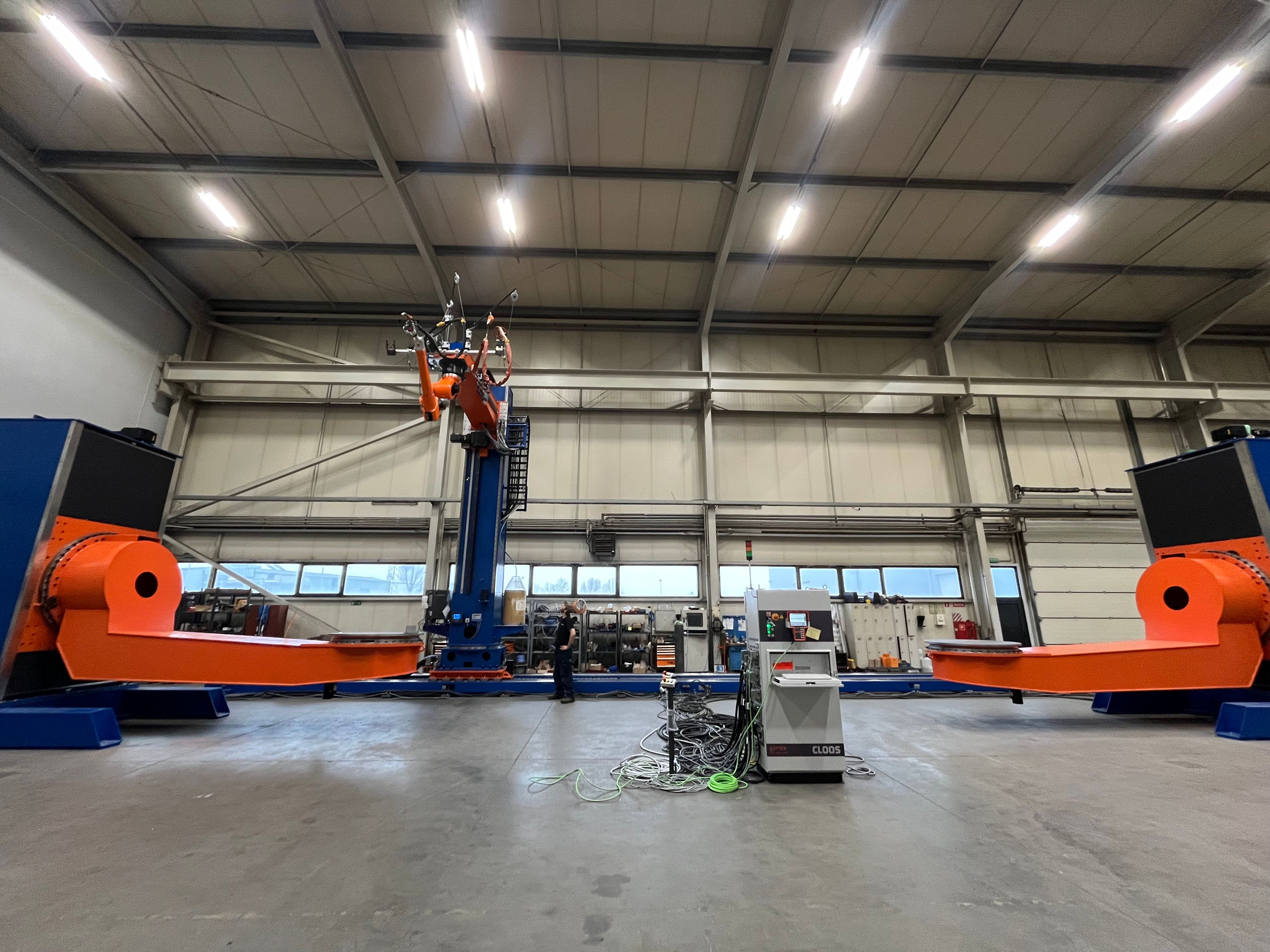
We cooperate with global manufacturers that develop technologies for the most demanding industries — including defense manufacturing, large-scale steel structures and high-precision serial production. And yes, we understand the Ukrainian market — its real needs, limitations and opportunities. That is exactly why we believe Ukrainian industry has the potential to become one of the major beneficiaries of what is coming next. But only if it is technologically prepared.
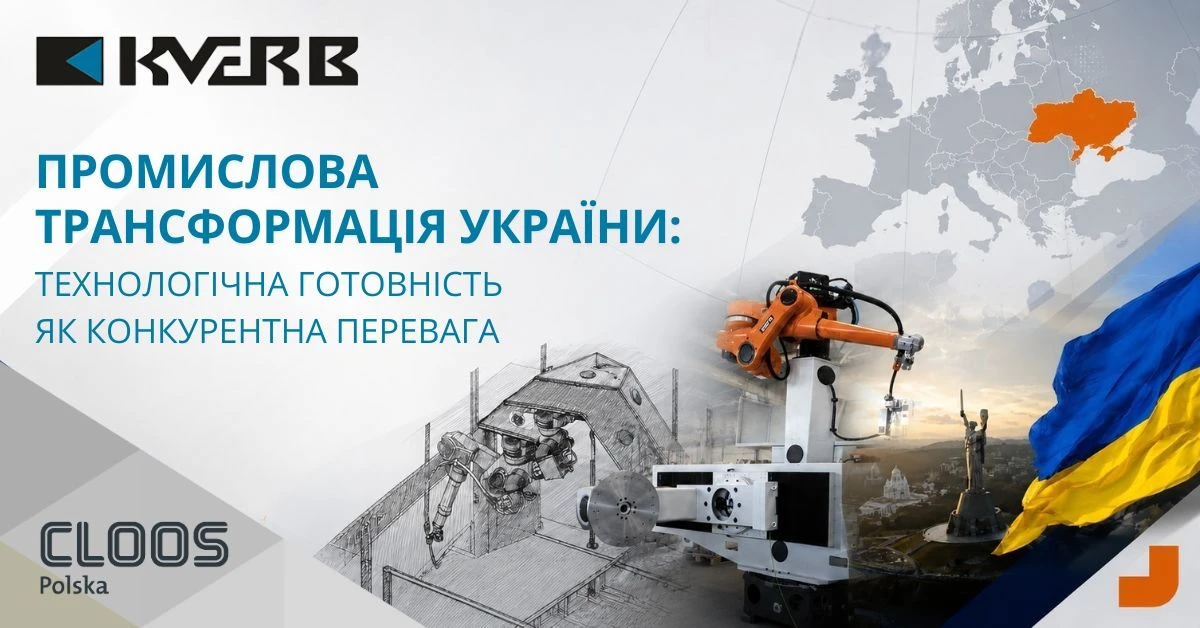
At MPF 2026 in Kyiv, May 26–28, you can meet us at stands H09/H10 together with our technological partner CLOOS Polska — one of Europe’s leading companies in welding automation and robotic systems. We invite you to visit us and discuss your production capabilities and possible technological solutions.
📍 MPF 2026 · Kyiv · IEC · May 26–28 · Stands H09/H10
This material was prepared using data from the World Bank, the United Nations and the European Commission.
- Share
-

-

-

-

-

-